
Trails That Cross Kitchen Counters
Ant Control in Atlanta for Homes Experiencing Colony Expansion, Moisture Attraction, and Multiple Species Pressure
The warm growing season across Cobb County, Marietta, and Buckhead supports overlapping ant species that establish colonies in wall voids, beneath slabs, and inside landscaping adjacent to foundations. Corsello and Sons Pest Control Services eliminates ant colonies by locating nest sites, disrupting foraging trails, and applying targeted treatments that prevent re-infestation after worker ants are killed. Moisture from Atlanta's year-round humidity attracts carpenter ants into window frames, door thresholds, and fascia boards where wood remains damp from poor drainage or exterior condensation, while pavement ants and odorous house ants follow trails through foundation cracks into kitchens and bathrooms.
Treatment identifies ant species and trail patterns to locate primary nests and satellite colonies established in wall voids or landscaping beds. Bait stations are placed along active trails where worker ants transport toxicant back to nest sites, killing queens and brood that never leave underground chambers. Perimeter treatment prevents new colonies from establishing near foundations after existing nests are eliminated, and monitoring ensures trails do not re-establish as environmental conditions change.
Request a property evaluation to identify ant species, nest locations, and moisture sources supporting colony expansion.
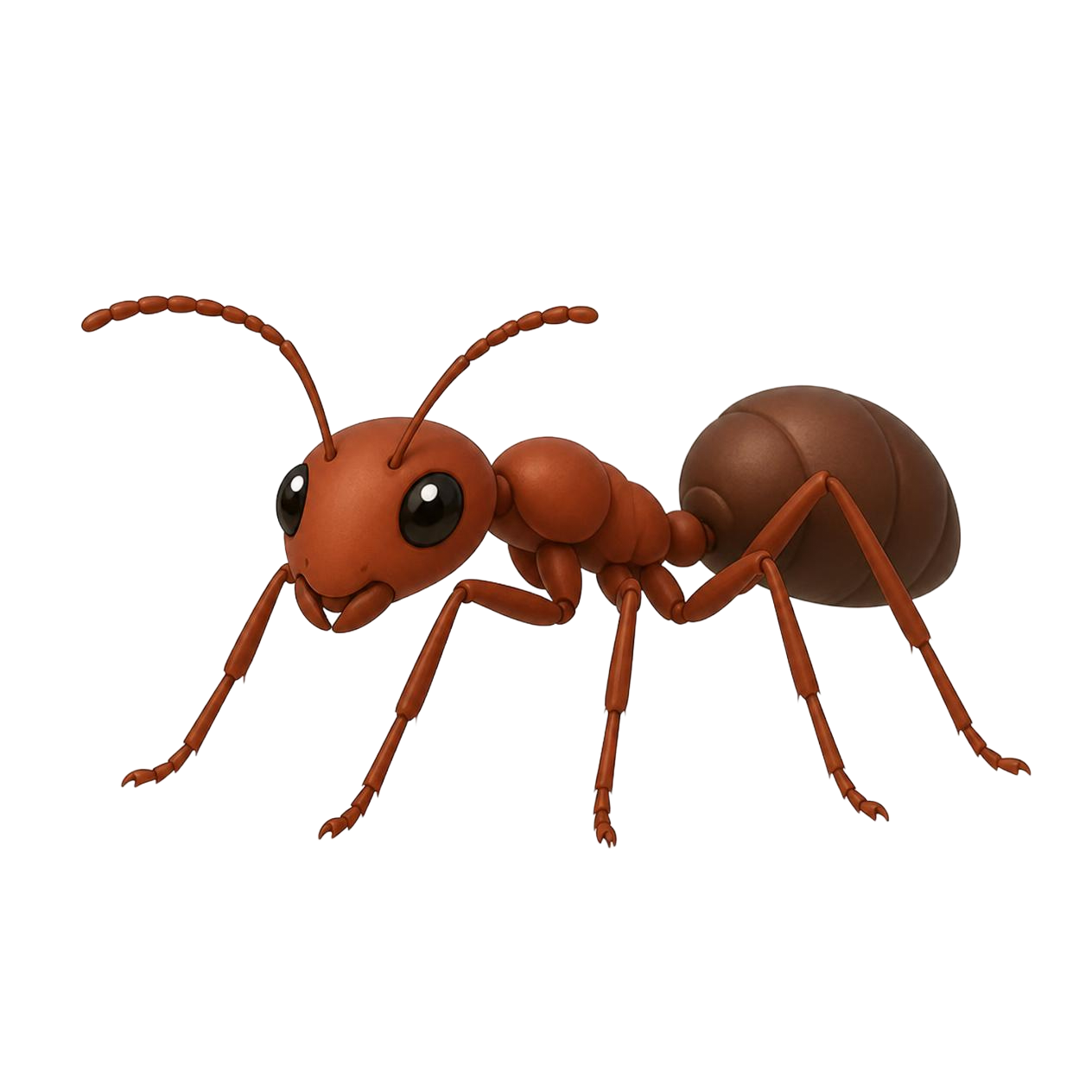
What Eliminates Ant Colonies Completely
Ant control requires targeting queens and brood inside nest chambers, not just killing visible worker ants foraging along countertops and windowsills. Bait stations exploit foraging behavior, allowing workers to carry toxicant into nests where it spreads to queens, larvae, and other workers through food sharing. Inspections identify nest locations by following trails back to cracks in foundations, landscape beds, or mulch piles where colonies originate.
After treatment eliminates colonies, you notice trails no longer cross kitchen counters or bathroom floors, no winged reproductives swarm from wall voids during spring months, and no new mounds appear in landscaping beds adjacent to foundations. Perimeter treatment creates a barrier preventing ants from re-entering treated areas as new colonies attempt to expand into the service area from neighboring properties. Monitoring visits confirm that trails have not re-established and bait stations remain effective as colony activity fluctuates with temperature and rainfall.
Treatment focuses on ant colonies and foraging trails but does not address moisture issues in fascia boards, window frames, or door thresholds that attract carpenter ants. Homeowners must repair leaking gutters, improve grading around foundations, and eliminate wood-to-soil contact to reduce conditions that support carpenter ant nesting in structural wood.
Questions Before Starting Your Project
Ant infestations in Atlanta homes involve multiple species with different nesting habits, requiring species identification and targeted baiting strategies to eliminate colonies effectively.
What ant species are common in Cobb County and Marietta?
Odorous house ants, pavement ants, and Argentine ants dominate kitchen and bathroom trails, while carpenter ants nest in moisture-damaged wood around windows, doors, and fascia boards.
How does humidity in Atlanta support carpenter ant activity?
Year-round moisture keeps wood around foundations, door frames, and window sills damp, creating nesting sites where carpenter ants excavate galleries to establish satellite colonies connected to larger nests in nearby trees.
What happens during the nest location process?
Technicians follow foraging trails from food sources back to entry points along foundations, then inspect landscaping beds, mulch piles, and foundation cracks to locate primary nests and satellite colonies.
Why are bait stations more effective than perimeter sprays alone?
Bait allows worker ants to transport toxicant into nest chambers where queens and brood reside, eliminating the reproductive source rather than just killing visible workers on trails.
How often should monitoring occur after initial treatment?
Properties with persistent moisture or adjacent wooded areas benefit from quarterly monitoring to confirm trails have not re-established as new colonies expand during warm months.
Corsello and Sons Pest Control Services maintains a quality-first approach with direct owner contact, veteran ownership, and over one hundred five-star reviews demonstrating consistent service and client communication. Schedule an inspection to identify ant species and nest locations driving trail activity in your Atlanta property.