
Mud Tubes That Signal Active Colony Damage
Termite Treatment in Atlanta for wood-frame homes in humid climates where subterranean colonies compromise structural integrity
When you see pencil-thin mud tubes running up foundation walls or notice hollow-sounding wood in door frames, subterranean termites have already established feeding routes into the structure and begun consuming cellulose from framing, joists, or siding. Corsello and Sons Pest Control Services provides termite inspection, treatment, and monitoring for properties across Atlanta, applying liquid termiticide barriers around foundations and treating infested wood to eliminate active colonies. Older wood-frame homes in Buckhead and Decatur face higher susceptibility due to Atlanta's humid climate, which supports continuous termite activity rather than seasonal dormancy.
The inspection process includes detailed examination of the foundation perimeter, crawl space, and attic to locate mud tubes, damaged wood, and moisture conditions that attract colonies. Liquid termiticide is applied in a continuous barrier around the foundation to prevent colony access, and infested wood receives direct treatment to kill active termites feeding within the structure. Cobb County properties benefit from annual monitoring schedules that detect new colony activity before structural damage occurs.
Arrange an inspection to assess foundation access points and identify any active termite damage in structural wood or siding.
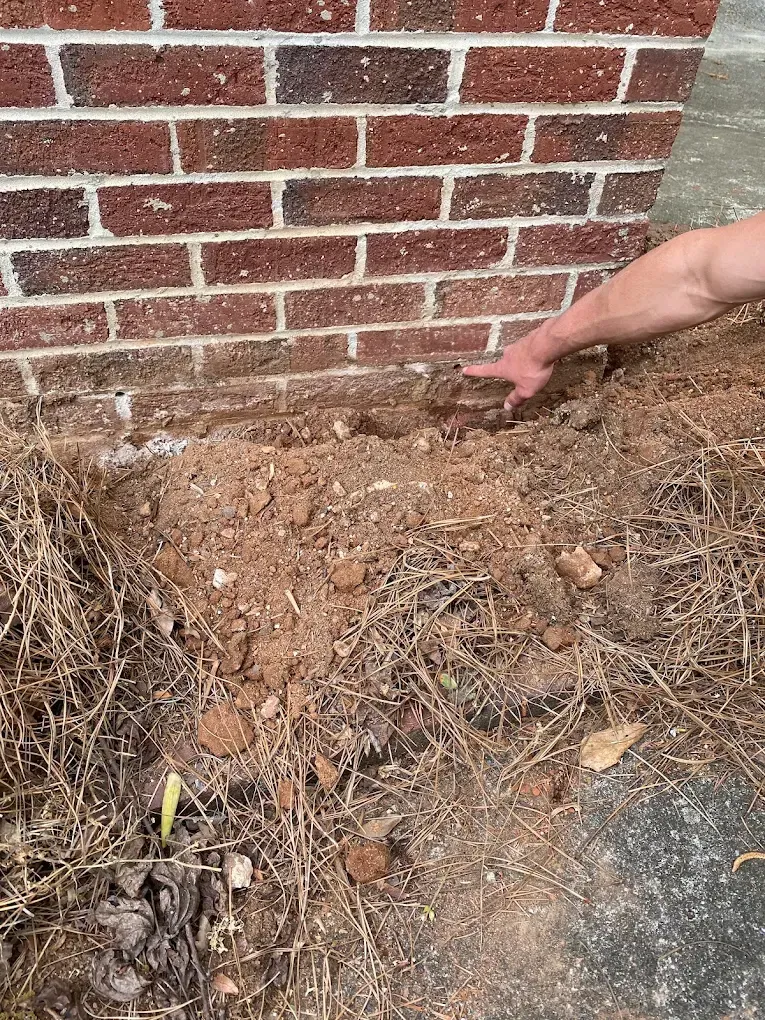
Why Barrier Treatment Works for Subterranean Colonies
Subterranean termites must maintain contact with soil moisture to survive, and liquid termiticide applied around the foundation creates a treated zone that termites cannot cross without exposure to the active ingredient. Termites contacting the barrier carry the termiticide back to the colony, where it spreads to other members through grooming and feeding behaviors, leading to colony elimination over several weeks.
After treatment, you will notice that mud tubes dry out and crumble as termites abandon feeding routes, that no new tubes appear on foundation walls or in crawl spaces, and that hollow-sounding wood stops showing fresh damage or frass accumulation. Corsello and Sons Pest Control Services establishes monitoring schedules that confirm the colony has been eliminated and detect any new activity from adjacent properties.
Treatment does not repair existing structural damage, which may require carpentry work depending on the extent of wood compromise. Monitoring visits include inspection of previously treated areas and high-risk zones such as crawl space joists, basement rim boards, and areas where wood contacts soil or where moisture issues create favorable conditions for future infestations.
Answers to Frequent Service Questions
Termite treatment raises questions about how the process works, what to expect after application, and how to prevent future infestations in properties that have already experienced colony activity.
What does a termite inspection include?
The inspection covers the foundation perimeter, crawl space, attic, and any wood-to-soil contact points, looking for mud tubes, damaged wood, termite swarmers, and moisture conditions that support colony establishment.
How long does termiticide barrier treatment last?
Liquid termiticide applied around the foundation typically provides protection for five to ten years depending on soil type and environmental conditions, though annual monitoring confirms barrier integrity and detects any new colony activity.
Why are Buckhead and Decatur homes more vulnerable to termites?
Older wood-frame construction in these Atlanta neighborhoods often includes wood siding, pier foundations with crawl spaces, and landscaping that retains moisture near the structure, all of which create entry points and favorable conditions for subterranean termite colonies.
What happens if termites are found during a monitoring visit?
New activity is treated immediately with localized termiticide application or wood treatment, preventing the colony from establishing feeding routes and causing structural damage before the infestation spreads.
Can I see termite damage before mud tubes appear?
Internal wood damage often progresses hidden behind paint or wallboard, so visible mud tubes on foundation walls or swarming termites in spring are usually the first signs homeowners notice, even though colony feeding may have been ongoing for months.
Corsello and Sons Pest Control Services treats termite infestations across Buckhead, Cobb County, Decatur, and the North Atlanta corridor with inspection, barrier treatment, and annual monitoring that protects wood structures from ongoing colony damage. Contact the company directly to schedule a foundation and crawl space inspection based on your property age and construction type.